Forest Herbs: Simple Collections and Folk Remedies for Health
Discover easy ways to gather pine needles, nettle, plantain, yarrow, sage, and mint, and learn quick homemade infusions, poultices, and tonics that have been used in rural households for generations.
Jump to sections: Common Forest Herbs, Preparing Infusions, Making Poultices</ '.$ '.
Common Forest Herbs and Their Properties
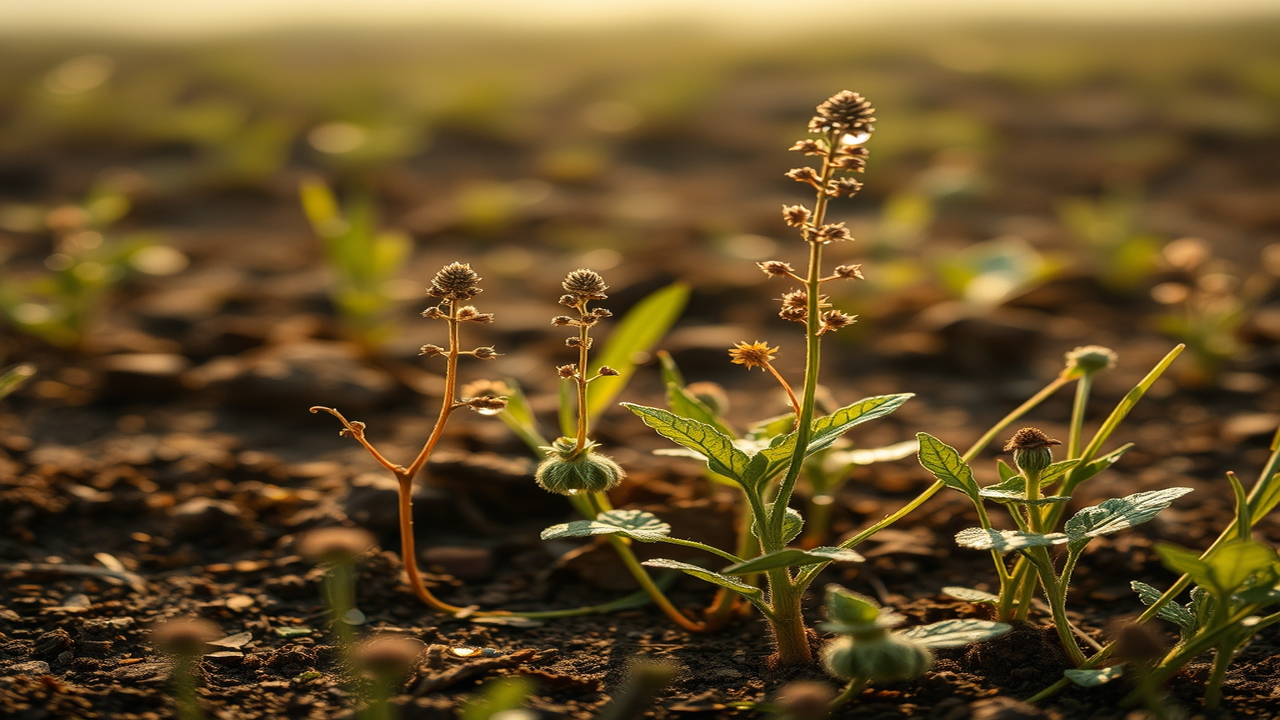
Forest herbs such as pine needles, nettle, plantain, yarrow, sage, and mint are rich in natural vitamins and minerals; pine needles provide vitamin C, nettle offers iron and calcium, while plantain is known for soothing skin irritations, and yarrow supports wound healing.
Preparing Herbal Infusions
An infusion is made by taking a handful of dried leaves, adding hot water that is not boiling, steeping until the liquid cools, then straining; this method extracts gentle soluble compounds and creates a drink that can be enjoyed in the morning and before sleep for digestive comfort.
Making Herbal Poultices
To craft a poultice, crush fresh leaves into a paste, mix with a little water to achieve a spreadable consistency, apply the warm mixture to affected areas, cover with a clean cloth, and leave it on for a while; this technique leverages the anti‑inflammatory properties of herbs like plantain and yarrow.
Simple Daily Tonics
A basic tonic combines a pinch of crushed mint seeds with honey, stirring until smooth; taking a spoonful each morning supports energy levels and aids digestion, while a similar mixture taken before sleep can promote restful sleep.
Seasonal Forest Remedies
During cooler months, use warming herbs such as pine needles and sage; prepare a gentle tea by steeping a handful of these in hot water, which helps maintain circulation and comfort; in warmer periods, favor refreshing herbs like mint and nettle to provide hydration and cooling effects.
Can beginners safely gather forest herbs?
Beginners should start with easily identifiable plants like mint and plantain, harvest them in clean areas away from pollution, wash thoroughly, and consult an experienced forager or field guide to confirm each species before consumption.
What to do if skin irritation occurs?
If irritation appears after applying a poultice, discontinue use immediately, cleanse the area with cool water, apply a simple paste of cooled boiled water and powdered cornstarch, and seek advice from a health professional if symptoms persist.
Are there any contraindications for pregnant individuals?
Pregnant individuals should avoid strong herbs such as high‑dose nettle or yarrow unless cleared by a prenatal care provider; opting for mild herbs like mint and sage in culinary amounts is generally considered safe.
Reminder: All traditional recipes and folk practices are intended as supplementary home experiences and should never replace professional medical advice; if any troubling symptom, injury, or illness arises, consult a licensed physician promptly.